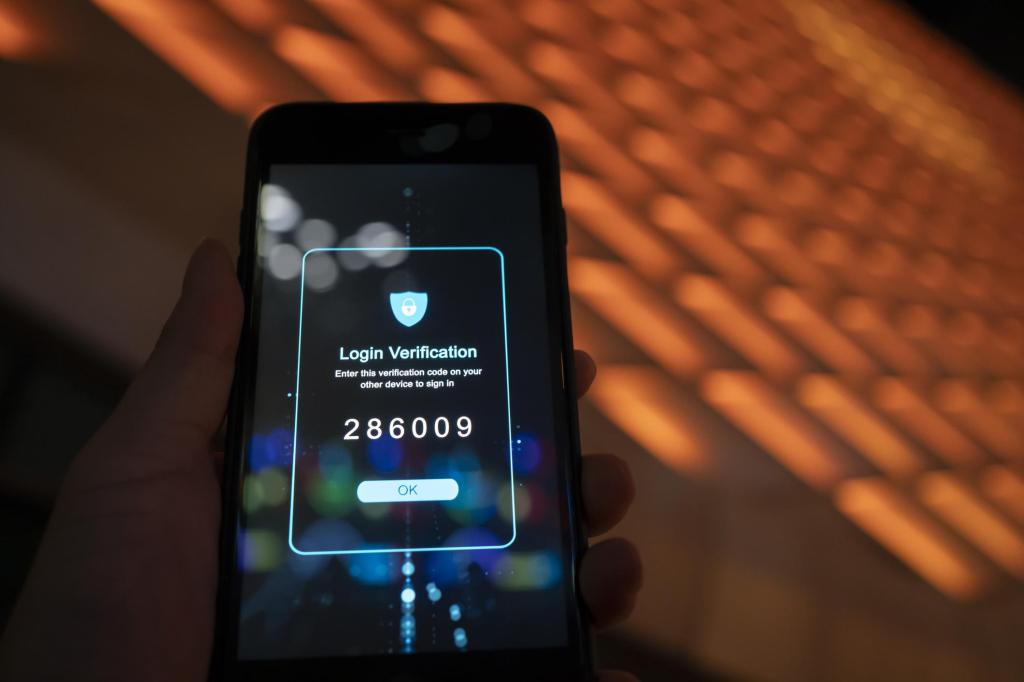
A phone call can sound legitimate. A text message can look authentic. And six digits can become the key to someone else’s bank account.
Imagine receiving a message from your bank containing a one-time verification code. Moments later, someone calls claiming to be from the bank’s fraud department. They tell you suspicious activity has been detected and that they need your code to protect your money.
You cooperate because you believe you are preventing a financial disaster.
But what if the person calling you is the criminal?
This is the danger of one-time password theft, a form of account takeover fraud that exploits the very security systems designed to protect consumers. Criminals impersonate banks, technology companies, customer support representatives, and sometimes government authorities to persuade victims to surrender temporary verification codes.
The FBI issued a nationwide warning on November 25, 2025, about criminals impersonating financial institutions to take control of online banking, payroll, and health savings accounts. Since January 2025, the FBI’s Internet Crime Complaint Center had received more than 5,100 account takeover complaints involving losses exceeding $262 million.
The method is particularly deceptive. Criminals may already possess someone’s username and password. They trigger a legitimate verification message and then contact the account owner, pretending to help resolve a security problem. Once the victim shares the code, the criminal may complete the login, reset the password, and take control of the account.
The victim thinks they are protecting their money. They may actually be authorizing the theft.
But in Queens, the connection between impersonation, Chinese communities, and financial exploitation has become more than a theoretical concern.
In October 2026, Queens District Attorney Melinda Katz issued a public warning about criminals impersonating Chinese police officers and prosecutors to extort money from members of the borough’s Chinese community.
One case involved a woman who was contacted on July 6, 2026, by someone claiming that a UnitedHealthcare Global account had been opened in her name and used for fraudulent insurance claims.
The caller allegedly transferred her to another individual posing as a Chinese police officer. The supposed officer questioned her, claimed to be investigating her, and continued contacting her through Zoom and Microsoft Teams.
Then the intimidation escalated.
On July 10, a person posing as a Chinese prosecutor allegedly told the woman that he knew she had $350,000 in her Chase bank account. He threatened that she could face extradition to China unless she transferred the money.
She was instructed to tell bank employees that the funds were being sent to a relative in Hong Kong to purchase a house.
On July 13, she transferred $300,000 to an account at Flagstar Bank in Queens. Approximately one week later, she transferred another $50,000.
The victim eventually discovered the problem when she attempted to access her Chase account on July 26 and learned it had been frozen over suspected fraud.
The receiving bank contacted the account holder and arranged for him to visit its branch at 61-49 188th Street in Fresh Meadows. When he arrived, a bank employee called 911. Officers from the New York Police Department’s 107th Precinct responded and arrested him.
The defendant was identified as Bingming Zhang, 29, of Flushing. He was charged with criminal possession of stolen property in the second, third, and fourth degrees. These are allegations, and he is presumed innocent unless proven guilty.
District Attorney Melinda Katz warned that criminals were using spoofed official telephone numbers and convincing-looking documents to frighten victims into transferring thousands of dollars.
This Queens case was not a documented one-time verification-code theft incident. It involved a different form of digital impersonation and financial coercion. But the underlying strategy deserves attention: criminals manufacture authority, create urgency, isolate victims, and manipulate their trust to obtain access to money.
And this is not the first time Chinese New Yorkers have raised concerns about financial identity theft.
In July 2022, Documented, an independent New York newsroom covering immigrant communities, reported that dozens of Chinese New Yorkers were fighting to recover money allegedly stolen from their bank accounts.
One victim, Jack Zhang, discovered that approximately $100,000 had disappeared from his Chase business account after receiving a text message saying he would no longer receive transaction alerts.
The withdrawals reportedly occurred at four Chase locations across Queens and the Bronx.
Other customers described missing funds, unauthorized banking activity, and difficulties resolving their claims. Some organized through a WeChat group to share experiences and seek accountability.
The reporting also described the experience of a customer identified as Li, who said someone used her New York driver’s license to make an unauthorized wire transfer at a Chase branch in Manhattan.
These cases involved different methods of financial exploitation. They should not be confused with one-time passcode theft. Together, however, they illustrate why digital identity, banking security, and consumer protection deserve greater attention in New York’s Chinese communities.
Why are these schemes so effective?
Because criminals understand human psychology.
They know that people become less cautious when they believe their savings are in immediate danger. They exploit fear, authority, language familiarity, and the instinct to protect family finances.
A caller who claims to be from a bank may sound professional. Someone claiming to represent Chinese police may use familiar terminology and convincing documents. A fraudulent message may display a recognizable company name.
But familiarity is not authenticity.
The danger becomes even greater when financial accounts are interconnected. An email account may provide access to password resets. A compromised mobile number may undermine account recovery. A stolen verification code may help a criminal cross the final authentication barrier.
For business owners, physicians, investors, and families managing substantial assets, one compromised account can create consequences that extend into business operations, financial relationships, and personal privacy.
So what should New Yorkers do?
Never disclose a one-time verification code to someone who contacts you, even if that person claims to represent your bank. Never transfer money to a supposedly safe account because a caller tells you your funds are in danger. Do not trust caller identification as proof of identity.
Hang up and contact the institution using the verified number on your bank card or official statement.
Use unique passwords, enable stronger authentication methods such as passkeys or physical security keys when available, and secure the email account connected to your financial services.
If you have already shared a code or suspect unauthorized access, contact your financial institution immediately, request that suspicious transactions be stopped or recalled, and report the incident to the FBI’s Internet Crime Complaint Center.
For victims in Queens, the Queens District Attorney’s Consumer Frauds Hotline is 718-286-6673.
The larger lesson is that financial security is changing. Wealth is no longer protected solely by bank accounts, property, investment portfolios, or legal documents. It also depends on the security of the digital identity connecting those assets.
Criminals do not always need to break into the bank. Sometimes they only need to convince the customer to open the door.
And that may be the most important six digits you never share.
#QueensNYC #ChineseCommunity #NewYorkCity #Cybersecurity #OTPScam #VerificationCodeScam #IdentityTheft #FinancialFraud #BankFraud #ScamAwareness #FlushingQueens #QueensNews #ChineseNewYork #ProtectYourMoney #QueensIntelligence


Leave a Reply