A trusted name, a familiar face, and an emotional story can inspire extraordinary generosity. But who makes sure the money reaches the people who need it?
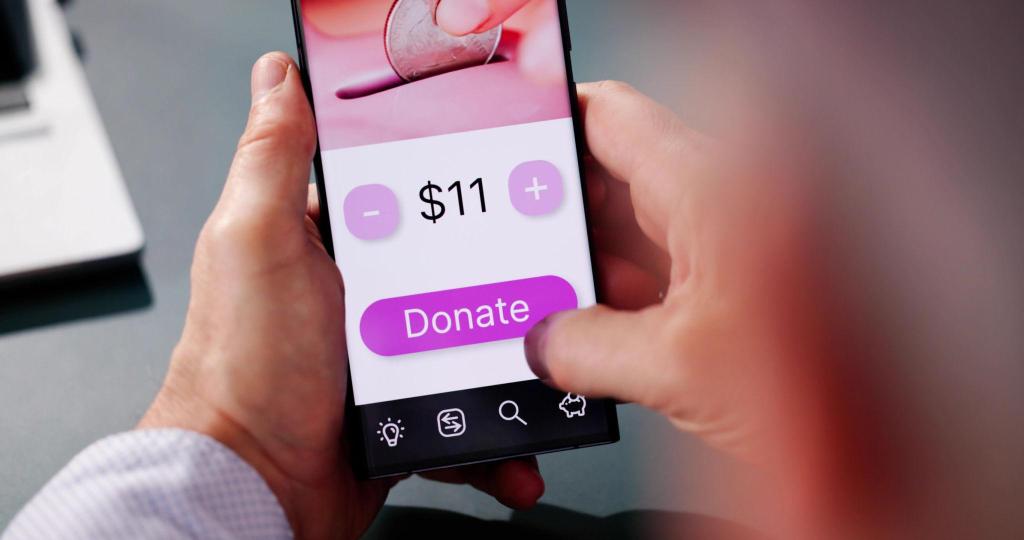
In Flushing, Queens, a fundraising message can travel through a community faster than a newspaper headline. Someone shares a request for medical assistance in a WeChat group. A family needs help after a fire. An elderly resident faces unexpected expenses. A community association organizes a benefit dinner. Friends forward the appeal, business owners contribute, and donations begin arriving.
This is one of the strengths of Chinese New York: people helping people.
But there is another side to that generosity. What happens when someone uses the community’s trust to collect money that never reaches its intended destination?
The problem is not charitable giving. It is the possibility that someone can turn generosity into an opportunity for personal profit.
When Trust Becomes the Fundraising Strategy
Chinese communities across New York have extensive networks of cultural associations, religious organizations, hometown groups, business associations, family connections, and social-media communities.
In Flushing, Manhattan’s Chinatown, Sunset Park in Brooklyn, and other Chinese-American neighborhoods, these networks can help mobilize financial assistance quickly.
A familiar community leader may endorse a campaign. A restaurant owner may host a benefit dinner. A business association may circulate a donation request. A message shared through WeChat may reach hundreds of people before anyone thinks to verify the organizer.
That familiarity can be powerful.
It can also create a dangerous assumption: because the person sharing the request is trusted, the fundraising campaign must be legitimate.
Those are two different things.
A legitimate family emergency does not automatically make every fundraiser authorized. A recognizable community organization does not mean every campaign using its name has been approved. And an emotional story does not establish where the money will ultimately go.
The question every donor should ask is surprisingly simple: Who controls the money?
New York’s Warning After the Brooklyn Building Collapse
The issue became particularly relevant on November 13, 2026, when New York Attorney General Letitia James issued a warning about fraudulent fundraising following a Brooklyn apartment-building collapse.
Her office cautioned that individuals could exploit public sympathy by creating sham charities or falsely claiming connections to relief efforts.
The warning highlights a familiar pattern in disaster fundraising. When people are frightened, displaced, or desperate to help, the desire to contribute can outweigh the instinct to investigate.
Brooklyn has large and diverse immigrant communities, including established Chinese-American neighborhoods. When an emergency affects a neighborhood, fundraising appeals can spread through personal relationships, community organizations, and online groups.
The concern is not that every local appeal is fraudulent. Most people who organize genuine relief efforts are trying to help.
The concern is that an emergency creates an opportunity for dishonest individuals to imitate legitimate organizations and exploit the public’s willingness to give.
In these situations, speed is valuable for relief efforts. But speed should never eliminate accountability.
A New York Charity Case That Shows What Can Go Wrong
The danger of inadequate financial oversight is not hypothetical.
In June 2024, federal prosecutors announced criminal charges against Keith Taylor, founder of a New York charitable organization, alleging that he embezzled approximately $2.5 million in donations intended to help low-income families.
According to the prosecution, Taylor allegedly diverted charitable funds toward personal expenses, including luxury housing, expensive restaurants, and other purchases. Prosecutors also alleged that he created a fictitious board of directors to conceal his activities.
These were allegations made by prosecutors, and should be distinguished from a finding of guilt.
Nevertheless, the case illustrates an important problem: a charitable organization can present itself as serving a worthy mission while its internal financial controls may fail to protect donated money.
Donors often concentrate on the cause. They rarely examine the organization’s governance, financial statements, compensation arrangements, or independent oversight.
That is understandable. People donate because they want to help, not because they want to become forensic accountants.
But charitable giving requires more than good intentions. It requires someone to be accountable for the money.
The WeChat Fundraising Problem
Consider how a questionable fundraising campaign might operate.
A message appears in a WeChat group. It describes a family facing a medical crisis. A photograph accompanies the request. Someone provides a bank account or digital payment information.
A respected community member forwards the message. Another person contributes and encourages friends to do the same.
Within hours, the campaign may have attracted substantial donations.
But several important questions remain unanswered.
Is the beneficiary real? Has the family authorized the fundraising? Does the receiving account belong to the beneficiary or an unrelated individual? Is the organizer acting on behalf of a registered charity? Is there an accounting of the money collected?
WeChat itself is not the problem. Nor are informal community fundraisers inherently illegitimate.
In fact, personal fundraising can be an important source of assistance for families who do not have access to established charitable institutions.
The vulnerability arises when donors cannot distinguish between a legitimate personal appeal, an authorized charitable campaign, and someone misrepresenting the situation.
Language and cultural familiarity can make verification even more complicated when donors rely on information circulated within trusted networks rather than independently checking the organization or beneficiary.
The lesson is not to distrust the community. It is to verify the transaction.
The Business Behind Charity
There is another aspect of fundraising that deserves attention: not all money collected for charitable purposes necessarily reaches the final beneficiary.
Professional fundraising companies, event organizers, consultants, and marketing agencies may legitimately receive compensation for their services.
A charity gala in Manhattan or a benefit dinner in Flushing may involve venue costs, catering, entertainment, advertising, administration, and professional fundraising expenses.
These costs are not automatically evidence of wrongdoing.
However, donors should understand the difference between money raised, fundraising expenses, and money actually distributed to beneficiaries.
Imagine purchasing an expensive table at a charitable banquet. The event features prominent guests, business sponsors, photographs, speeches, and impressive donation announcements.
But how much of the money ultimately supports the stated cause?
Without financial disclosure, donors may have no clear answer.
The New York Attorney General advises charitable organizations to establish clear contracts with professional fundraisers, document compensation and expenses, and maintain appropriate control over charitable contributions.
This is particularly important for smaller community organizations that may depend heavily on volunteers and personal relationships.
A respected name and a successful fundraising dinner are not substitutes for sound financial governance.
Why Intelligent People Can Still Be Deceived
Financial fraud is often discussed as though victims simply failed to exercise common sense.
That explanation is too convenient.
People donate because they care about other people. They also respond to social proof, urgency, authority, and personal relationships.
When a friend contributes, a community leader endorses a campaign, and several business owners participate, the fundraiser begins to feel legitimate.
Nobody wants to be the person who questions a request for help when a family is supposedly suffering.
That emotional pressure can discourage reasonable questions.
The problem becomes more complicated when the fundraiser involves elderly donors, recent immigrants, people with limited English proficiency, or individuals unfamiliar with American nonprofit regulations.
A person may understand the emotional appeal perfectly but have little knowledge of how to check a charitable organization’s registration or financial records.
This is not a weakness unique to Chinese New Yorkers. It is a human vulnerability that can be exploited in any community.
But the dense personal and business networks found in places such as Flushing and Chinatown make the subject especially relevant to Chinese-American donors and community organizations.
How to Verify a Charity Before Donating
New York donors have access to several resources that can help establish whether an organization is legitimate.
The New York Attorney General’s Charities Bureau provides information about charitable organizations, registration requirements, and available financial filings.
The Internal Revenue Service offers a Tax Exempt Organization Search, which allows donors to check an organization’s federal tax-exempt status and review available information.
But checking a database is only the beginning.
Before contributing, consider asking:
- What is the legal name of the organization?
- Who is organizing this particular campaign?
- Is the fundraiser authorized by the named organization?
- Who owns or controls the receiving bank account?
- Is the beneficiary identifiable and has the beneficiary authorized the campaign?
- What percentage of the donations will go toward the stated purpose?
- Will donors receive a financial accounting?
- What happens to excess funds if the original fundraising target is reached?
For an informal personal fundraiser, ask for independent confirmation from the beneficiary or someone authorized to represent the family.
For a charitable organization, contact it using independently verified contact information rather than relying exclusively on the telephone number or account details supplied in a fundraising message.
And be particularly cautious when someone demands immediate payment, discourages questions, or insists that donations must be sent to a personal account without a convincing explanation.
Protecting the Future of Chinese-American Philanthropy
Chinese-American philanthropy has an important place in New York’s economic and cultural landscape.
Community organizations support education, cultural preservation, disaster relief, religious institutions, healthcare initiatives, and families facing financial hardship.
Business owners, professionals, established families, and younger generations all contribute to this philanthropic ecosystem.
The future of that generosity depends partly on whether organizations can maintain public confidence.
Community associations should consider publishing annual financial summaries. Fundraising campaigns should identify their organizers and beneficiaries. Larger organizations should establish independent oversight and transparent financial controls. Digital fundraising appeals should provide clear information about the receiving account and how contributions will be used.
These practices do not undermine trust. They strengthen it.
For established Chinese-American families and business leaders, there is also an opportunity to encourage higher standards of accountability when sponsoring community events, supporting charitable institutions, or participating in major fundraising campaigns.
Philanthropy should not depend entirely on personal relationships. It should be supported by institutions that can demonstrate responsible stewardship.
The Other Side of Wealth
New York’s Chinese community has built something valuable: a culture of mutual assistance, entrepreneurship, family commitment, and collective generosity.
That should be protected.
The answer is not to stop donating to community causes, avoid WeChat fundraising, or question every person who organizes a benefit event.
It is to recognize that good intentions and financial accountability must exist together.
A legitimate cause deserves legitimate fundraising. A generous donor deserves transparency. And a family asking for help deserves to know that the money collected in its name actually reaches them.
I believe the most important question in charitable giving is not how much money a campaign raises.
It is how much good that money accomplishes.
Because when charity becomes a business for someone else’s personal benefit, the damage goes beyond the money lost. It weakens the trust that holds a community together.
Follow the generosity. Follow the money. And never confuse a trusted name with proof of accountability.
#Queens #FlushingNY #ChineseNewYork #NYCChineseCommunity #QueensNYCNews #QueensIntelligence #CharityFraud #FundraisingFraud #NonprofitAccountability #WeChatScams #CommunityFundraising #FinancialTransparency #WealthProtection #Philanthropy #NewYorkNews #TheOtherSideOfWealth


Leave a Reply